

A crowded family that of the mullet, a fish found everywhere, in all seas and even in the oceans. Scientifically known as Mullidae in 80 varieties, it arrives on our tables with a fantastic red livery which makes her instantly recognisable. Not to mention her adorable little white moustache.
In our special bowl of December, we marinated it with grapefruit, orange, extra virgin olive oil and pink pepper, ingredients that enhance its extraordinary properties and delicate flavour, which have always, since ancient times, made it one of the most prized fish.

Tender and tasty pulp, the mullet is as loved as it is hated by chefs. Filleting it can be quite an adventure due to its numerous thin bones. Before telling you more about red mullet Here are some tips on how to recognise when it is fresh:
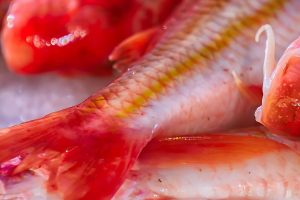
- red colour with elegant yellow reflections
- shiny skin, or rather... glowing skin!
- bright, bulging eye
- rigid body (a fish that tends to bend over itself is not very fresh)
Red mullet meat is lean, rich in nutrients and particularly easy to digest, making it suitable for any diet. Red mullet has a moderate fat content and is a special source of protein high biological value such as omega-3 polyunsaturated fatty acids, minerals and vitamins. Plenty of phosphorus, selenium and B vitamins make it incredibly nutritious.
Red mullet can be included in low-calorie weight loss diets or in metabolism control regimes, such as in cases of diabetes, high blood pressure or cholesterol-related disorders. It is a fish with reduced cholesterol content and can be consumed several times a week.
The red mullet is a particularly romantic fish: it loves aphrodisiac foods such as shellfish, which is why there is a saying that goes: ‘Far gli occhi di triglia’ (to make red mullet eyes), meaning to give someone a sweet, loving look. A bit like true poké lovers, isn't it?


